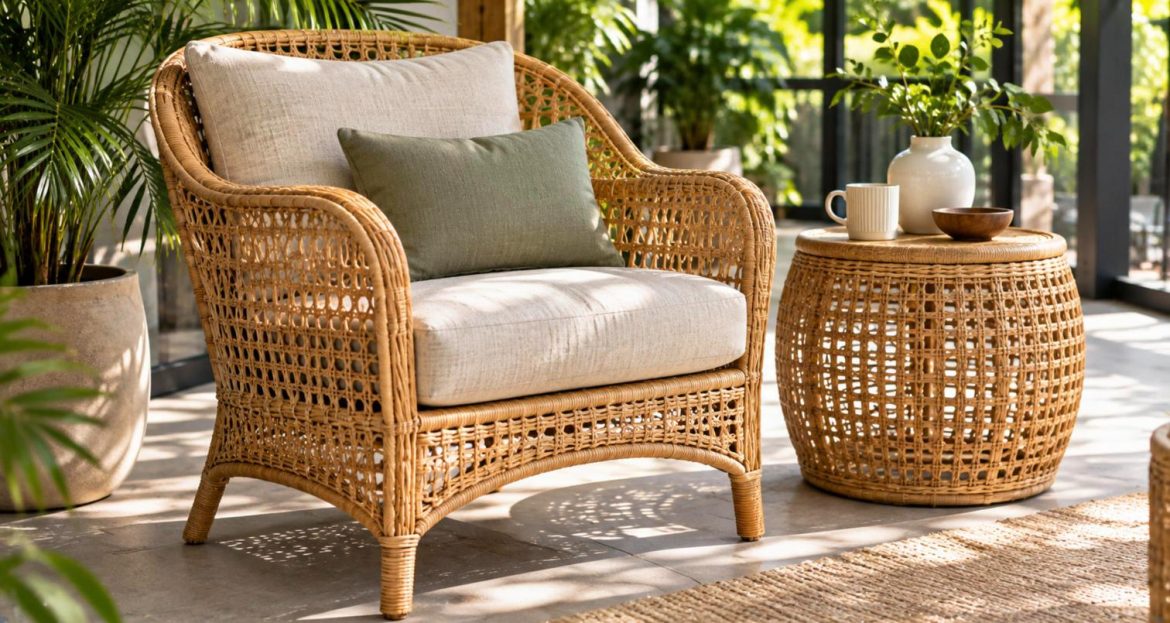
Rattan Furniture: What It Is, Rattan vs. Wicker vs. Cane & Care Tips
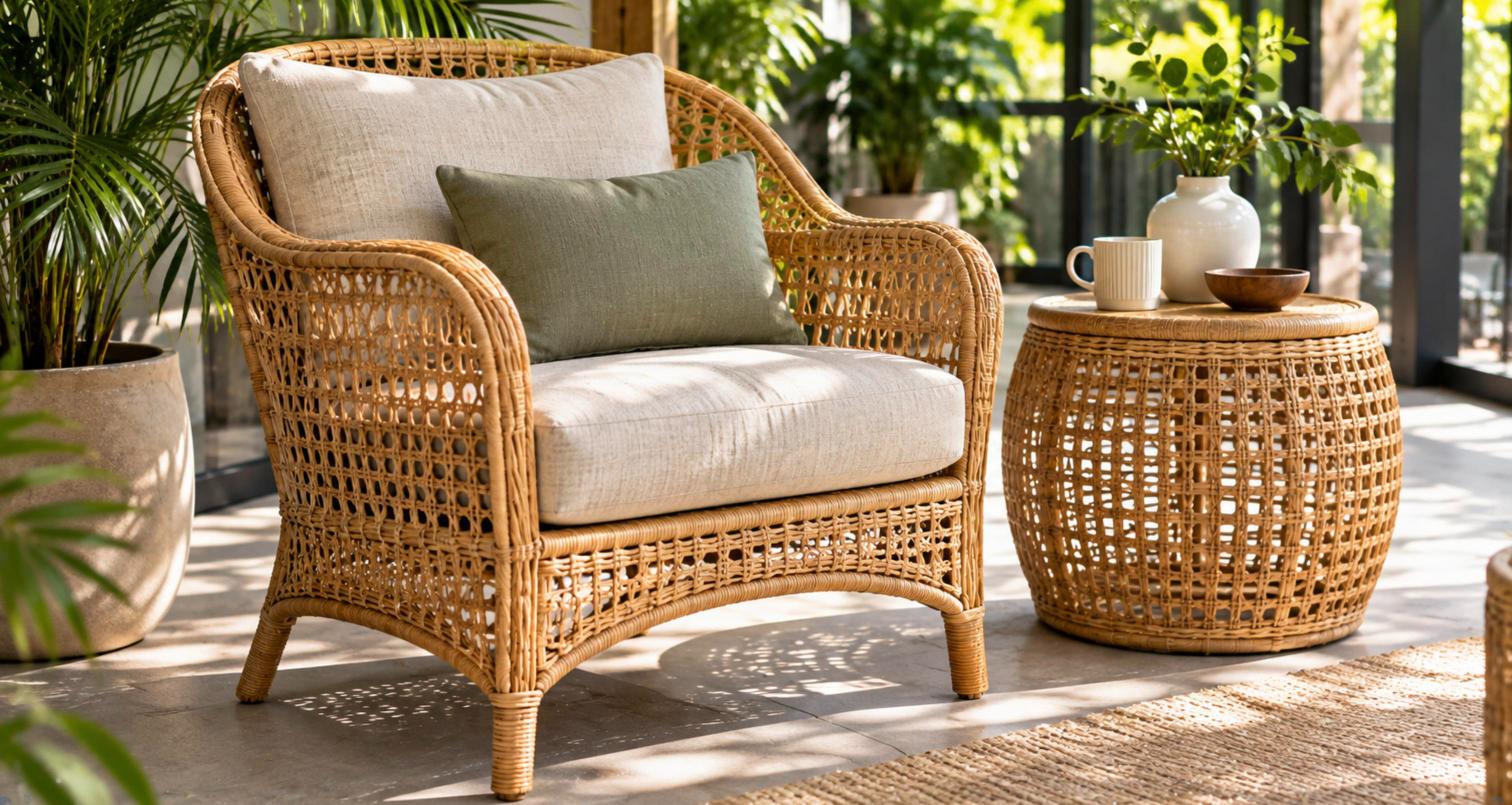
Rattan has been used for furniture for centuries in Southeast Asia, and it became fashionable in Europe and North America in the Victorian era and again in the mid-20th century. Today it is enjoying another revival, thanks to bohemian, coastal and Japandi-inspired interiors. Rattan is lightweight but strong, naturally flexible and beautifully textured, and its woven forms add warmth and an airy feel to living rooms, bedrooms and sunrooms.
Rattan vs. wicker vs. cane
- Rattan is the material: the palm itself and its stems, used for frames.
- Cane is the thin outer skin of rattan, cut into strips and woven into seats and panels, often in the familiar open hexagonal pattern.
- Wicker is a weaving technique, not a material; it can be made from rattan, willow, reed, bamboo or synthetic fibres.
So a rattan chair can be wicker if it is woven, and a chair with a cane seat may have a frame of solid rattan or wood.
Natural vs. synthetic rattan
Natural rattan is beautiful but sensitive to rain, UV and humidity swings, so it is best kept indoors or on fully covered porches. Synthetic or resin rattan, usually made from polyethylene (PE) woven over aluminium frames, mimics the look while resisting water and sun, making it the go-to for outdoor patio furniture in rainy climates like Vancouver’s.
Pros of rattan
- Lightweight and easy to move.
- Strong and flexible for its weight.
- Adds natural texture and warmth.
- Renewable: rattan grows quickly and harvesting can support forest communities when managed sustainably.
- Works in boho, coastal, Scandinavian and Japandi rooms.
Cons of rattan
- Natural rattan can dry out, crack or sag if exposed to heat, dryness or moisture.
- Woven seats may need cushions for comfort.
- Dust collects in the weave.
- Cheap pieces may have loose weaving or weak joints.
Caring for rattan
- Dust or vacuum regularly with a soft brush attachment.
- Wipe with a damp cloth and mild soap; dry thoroughly.
- Keep natural rattan away from heaters, fireplaces and direct sun.
- Occasionally lightly mist in very dry indoor air to prevent brittleness.
- Use cushions to reduce wear on woven seats.
Rattan in Vancouver homes
Indoors, rattan accent chairs, headboards and side tables bring a relaxed, natural feel that suits plant-filled West Coast homes. For balconies and patios, choose synthetic rattan with quick-dry cushions and store cushions over the wet winter months.
Related terms
Frequently asked questions
What is rattan?
A climbing palm whose strong, flexible stems are used for furniture frames and weaving.
What is the difference between rattan and wicker?
Rattan is a material; wicker is a weaving technique that can use rattan or other fibres.
Can rattan furniture go outside?
Natural rattan should stay indoors or fully covered; synthetic resin rattan is made for outdoor use.
How do you clean rattan?
Dust with a soft brush, wipe with a damp cloth and mild soap, and dry thoroughly.
Part of the Vancouver Furniture glossary of furniture, design and mattress terms. Browse furniture stores across Metro Vancouver or our mattress store guide.