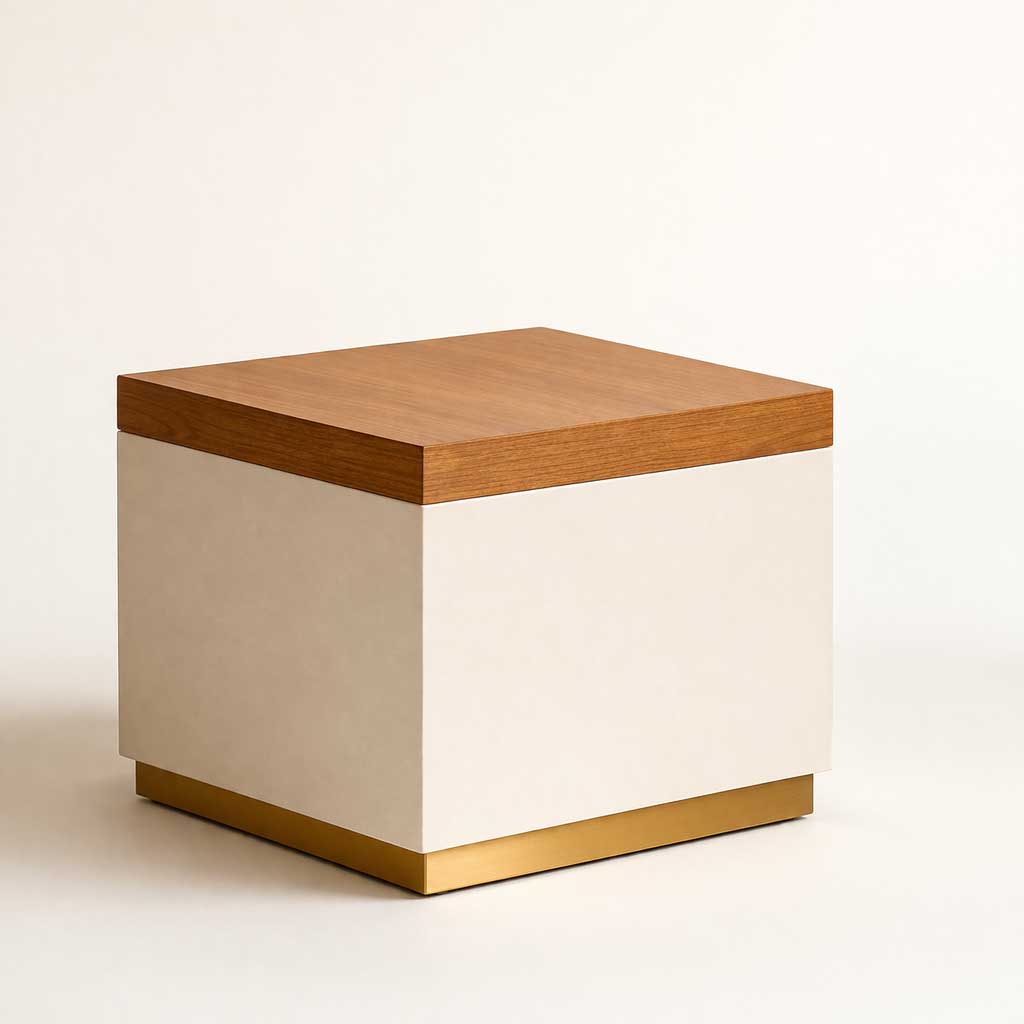
Accent Table
An accent table is a small, decorative table designed to complement the style of a room while providing functional surface space. Unlike primary tables such as dining tables or desks, accent tables are typically used as secondary furniture pieces to enhance interior décor and add visual interest. They are commonly placed in living rooms, bedrooms, hallways, or entryways to support both aesthetic and practical purposes.
Accent tables are widely used in interior design because they combine versatility with decorative value. They can be used to hold lighting, books, or decorative objects while also contributing to the overall design theme of a space.
Definition
In furniture design, an accent table refers to a compact table intended to enhance interior aesthetics while offering additional surface functionality.
Accent tables are typically:
- smaller in size than primary tables
- used as decorative or supporting furniture
- placed beside seating or along walls
- designed to complement existing furniture
They are often used as flexible elements within a room layout.
Etymology
The term “accent table” combines accent, meaning a decorative feature that enhances a space, and table, referring to a flat surface supported by legs or a base.
The name reflects the table’s dual purpose as both a functional surface and a design element within interior spaces.
Types of Accent Tables
Accent tables come in various forms depending on their placement and function.
Side Table
A side table is placed next to sofas or chairs and is commonly used for holding lamps, drinks, or small items.
End Table
An end table is typically positioned at the end of a sofa and serves a similar function to a side table.
Nesting Tables
Nesting tables consist of multiple tables that can be stacked together or separated for flexible use.
Console Table
A console table is a narrow, elongated table often placed against a wall or behind a sofa.
Coffee Table (Accent Style)
While larger, some coffee tables are considered accent tables when chosen primarily for decorative impact rather than utility.
Design Characteristics
Accent tables are defined by their decorative appeal and versatility in interior design.
Decorative Design
Accent tables often feature unique design elements such as:
- sculptural bases
- distinctive shapes
- mixed materials
- decorative finishes
These features allow the table to stand out within a room.
Compact and Versatile
Accent tables are generally lightweight and easy to reposition.
They are often:
- space-efficient
- adaptable to different layouts
- suitable for both small and large rooms
Variety of Materials
Accent tables are available in a wide range of materials, including:
- wood
- metal
- glass
- marble
- engineered materials
Material selection influences both durability and aesthetic style.
Common Uses
Accent tables are used in various areas of the home for both functional and decorative purposes.
Typical uses include:
- holding lamps or lighting fixtures
- displaying decorative items
- supporting drinks or small objects
- enhancing room layout and balance
They are commonly placed in:
- living rooms
- bedrooms
- entryways
- hallways
- offices
Accent Tables in Interior Design
Accent tables play an important role in interior design by helping define spaces and complement larger furniture pieces. They are often used to:
- create visual balance
- introduce contrast in materials or colours
- enhance symmetry in seating arrangements
- add functional surfaces without cluttering the space
Because of their flexibility, accent tables are suitable for a wide range of interior styles, including modern, Scandinavian, contemporary, and traditional designs.
Related Furniture Types
Several furniture pieces are closely related to accent tables:
- coffee table
- side table
- console table
- nesting tables
- end table
Each type varies in size, shape, and intended placement.
See Also: Furniture Glossary
Accent Chair
Accent Bench
Coffee Table
Console Table
Side Table