Introduction to Scandinavian Design in Contemporary Homes
Scandinavian design for small spaces has become one of the most effective approaches for creating functional and visually balanced interiors in modern urban homes. Known for its simplicity, functionality, and clean, purposeful aesthetics, Scandinavian design originated in the Nordic countries during the early 20th century and continues to influence interior design worldwide.
In today’s urban environments, where smaller living spaces require thoughtful planning and efficient use of furniture, these design principles provide practical solutions for creating interiors that feel both open and highly functional.
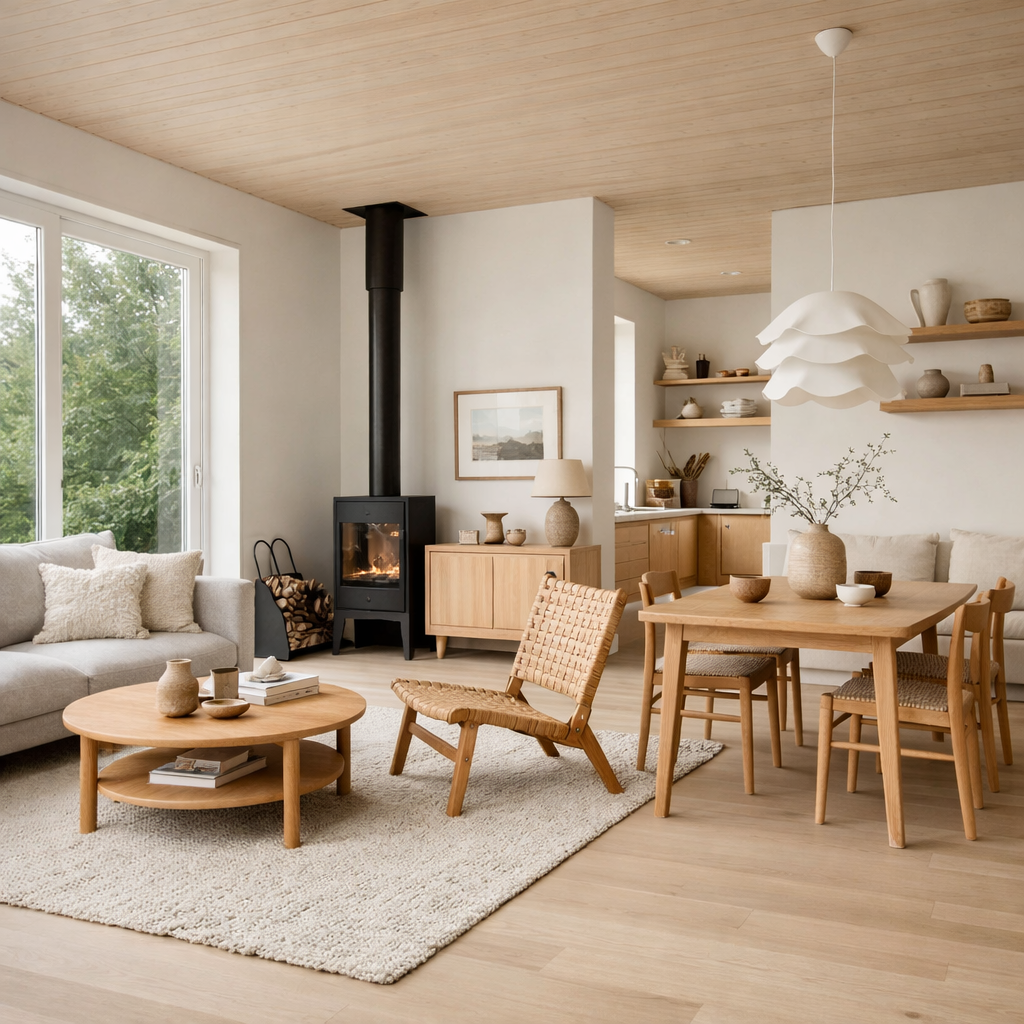
Scandinavian Design for Small Spaces: Functional Furniture Guide
The Evolution of Scandinavian Design for Small Living Spaces
While early Scandinavian interiors were often associated with larger residential homes, modern housing trends have shifted toward more compact living environments. As a result, Scandinavian design has evolved to address the challenges of limited space without compromising comfort or usability.
This evolution reflects a deeper application of its core values:
- functionality over excess
- simplicity in form and layout
- efficient use of available space
These characteristics make Scandinavian design particularly well-suited for apartments, condominiums, and multi-functional living areas.
Functional Furniture as a Core Principle
At the heart of Scandinavian design is the idea that furniture should serve a clear and practical purpose. In smaller spaces, this principle becomes even more essential.
Modern Scandinavian interiors often incorporate functional furniture designed to perform multiple roles, helping reduce clutter while maximizing usability.
Examples include:
- sofa beds that combine seating and sleeping functions
- extendable dining tables that adapt to different needs
- storage beds designed to optimize bedroom space
- benches with hidden storage compartments
This approach allows homeowners to create flexible living environments without overcrowding their space.
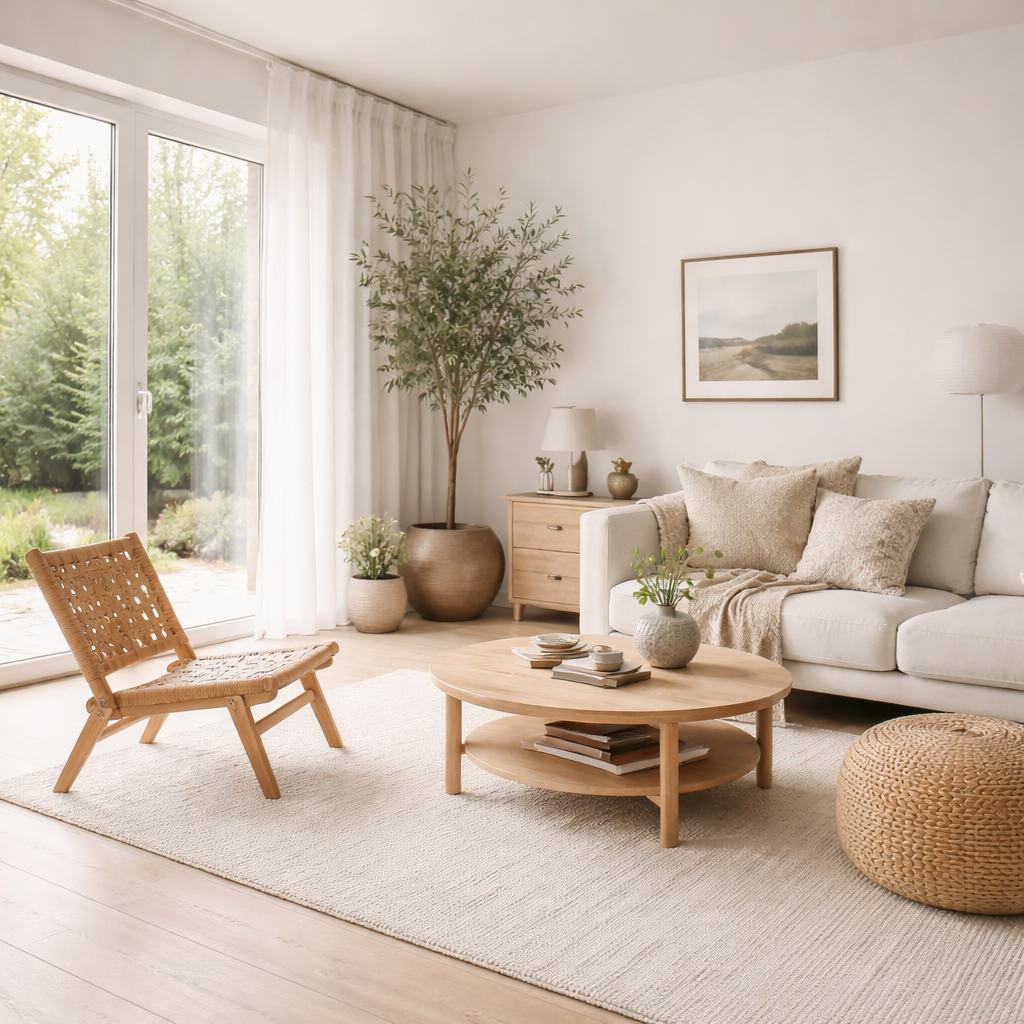
Scandinavian Design for Small Spaces: Functional Furniture Guide
Modular Furniture and Adaptable Living
A key feature of Scandinavian design in contemporary homes is the use of modular furniture systems. These pieces are designed to be flexible, allowing users to reconfigure their layout based on changing needs.
Common modular solutions include:
- sectional sofas that can be rearranged
- stackable chairs for flexible seating
- adjustable shelving systems
This adaptability is especially valuable in compact urban homes where a single space may serve multiple purposes throughout the day.
Maximizing Space Through Smart Layouts
Efficient space planning is essential in small interiors. Scandinavian design emphasizes thoughtful layouts that balance functionality and visual openness.
Important strategies include:
- maintaining clear pathways and circulation space
- selecting furniture that matches the scale of the room
- minimizing unnecessary items
Low-profile furniture and open layouts help create a sense of spaciousness, even in limited square footage.
Minimalism and Visual Clarity
Minimalism plays a central role in Scandinavian interiors, particularly in small spaces. By focusing on essential elements and reducing visual clutter, interiors become more organized and easier to navigate.
Rather than removing personality, this approach enhances comfort by creating calm, balanced environments where every element has a purpose.
Lighting and Spatial Perception
Lighting is a crucial component in Scandinavian design, especially in compact homes. Both natural and artificial light are used strategically to enhance the perception of space.
Common techniques include:
- maximizing natural light through open windows
- using layered lighting for different functions
- incorporating warm, ambient lighting
These elements help interiors feel brighter, more open, and more inviting.
Material Selection and Durability
Scandinavian furniture is known for its use of natural, durable materials that support both aesthetics and functionality.
Typical materials include:
- light-toned woods such as oak and birch
- soft, neutral textiles
- durable finishes suitable for everyday use
These materials contribute to a warm and cohesive interior while ensuring long-term usability.
Scandinavian Design in Modern Urban Living
The adaptability of Scandinavian design has made it highly relevant in today’s urban lifestyle. As living spaces become more compact, the need for functional and efficient furniture continues to grow.
By combining:
- functional furniture
- modular design
- minimal visual complexity
Scandinavian design offers more than aesthetic appeal—it provides practical solutions for modern living challenges. Its focus on functionality, modularity, and simplicity makes it especially effective in small and adaptable spaces.
As urban living continues to evolve, Scandinavian design remains a reliable and forward-thinking approach to creating interiors that are both functional and refined.