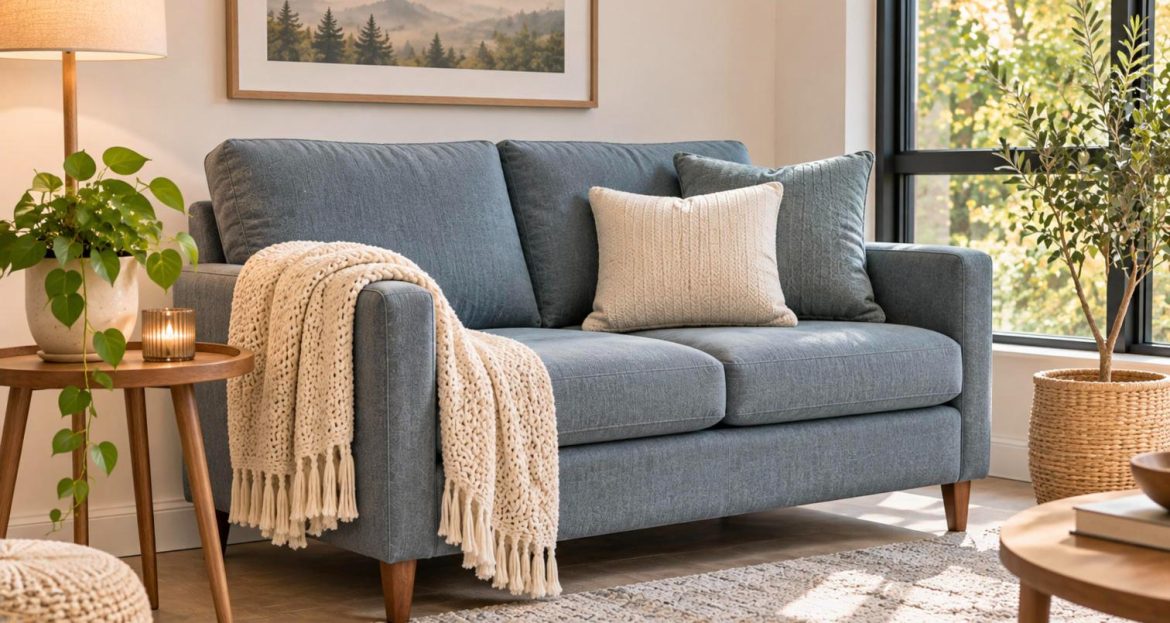
Loveseat: Definition, Sizes, Types & Loveseat vs. Sofa vs. Settee
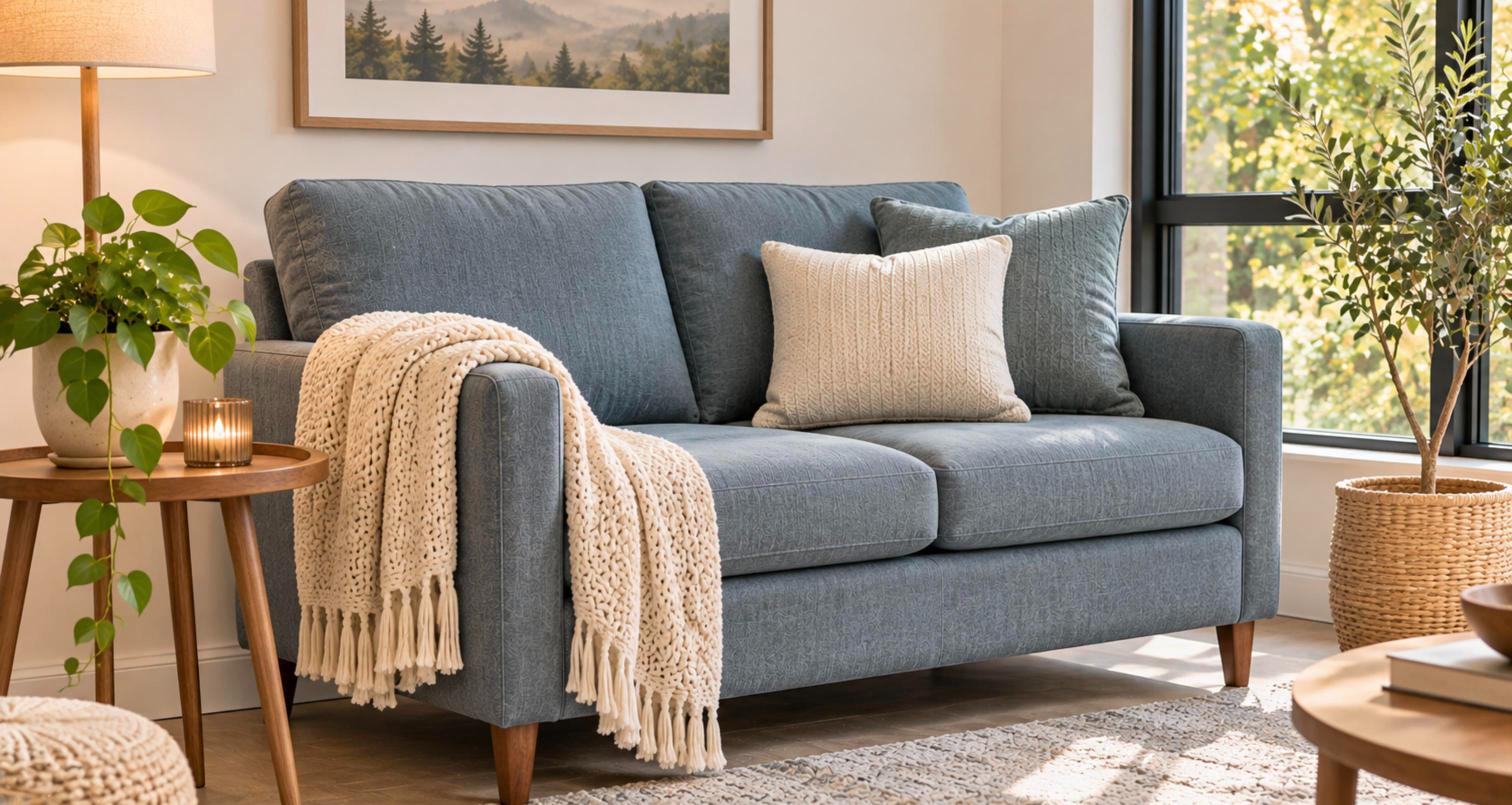
The loveseat developed in the late 17th and 18th centuries, when wider chairs were made to accommodate the voluminous dresses of the day, allowing one woman, or two people sitting close together, to sit comfortably. By the 19th century the two-seat form had become associated with courting couples, which gave it the romantic name we use today. In modern homes the loveseat is a practical, space-efficient sofa: perfect for condos, dens, bedrooms and as a companion to a larger sofa in the living room.
Loveseat vs. sofa vs. settee
A standard sofa seats three or more and is typically 72 to 96 inches (183–244 cm) wide. A loveseat seats two and is generally under 72 inches wide. A settee is a historic term for a long seat with a back and arms, today often used for a more upright, formal two-seater with an exposed wood frame and slimmer upholstery. In everyday North American use, “loveseat” is the most common word for a two-seat sofa.
Types of loveseats
- Standard loveseat: a two-seat version of a matching sofa.
- Apartment-size loveseat: slimmer arms and shallower depth for condos.
- Sleeper loveseat: a twin-size pull-out bed hidden in the base (see sofa bed).
- Reclining loveseat: one or both seats recline, sometimes with a centre console (see recliner).
- Chesterfield loveseat: deep button-tufted with rolled arms (see Chesterfield).
- Modular loveseat: two armless or corner units that can later be expanded into a sectional.
Measuring for a loveseat
- Measure the wall or area, leaving 30 to 36 inches (76–91 cm) for walkways.
- Leave 16 to 18 inches (41–46 cm) to the coffee table.
- Check arm style: slim track arms add seat width without adding overall width.
- Measure doors, halls and elevators; loveseats are easier to deliver than full sofas, a real benefit in high-rises.
- Sit in it: some loveseats are too short to lie down on, which may matter if it is your only sofa.
How to arrange a loveseat
- Sofa and loveseat: place the loveseat at a right angle to the sofa to create an L-shaped conversation area.
- Facing pair: two loveseats facing each other across a coffee table create a balanced, formal layout.
- Small living room: a loveseat plus one or two armchairs often fits better than a large sofa.
- Bedroom or den: a loveseat at the foot of the bed or under a window adds a reading spot.
Choosing fabric and construction
As with any sofa, look for a kiln-dried hardwood frame, sinuous or coil springs and high-density foam cushions. Choose performance fabric for families and pets, top-grain leather for durability, or linen and velvet for softer looks. Removable cushion covers make cleaning easier.
Loveseats in Vancouver homes
Many Metro Vancouver condos and laneway homes have living rooms where a full 84-inch sofa overwhelms the space. A 60- to 70-inch loveseat with a pair of chairs often seats just as many people while keeping walkways and views open. Look for apartment-size or modular designs that can grow if you move to a larger home.
Related terms
Frequently asked questions
What is a loveseat?
A small sofa designed to seat two people, usually 48 to 72 inches wide.
Why is it called a loveseat?
The two-seat form became associated with courting couples in the 19th century.
What is the difference between a loveseat and a settee?
A loveseat is a two-seat sofa; a settee is often a more formal, upright two-seater with an exposed wood frame.
Can a loveseat be the only sofa in a room?
Yes, especially in small spaces, often combined with one or two armchairs.
How wide is a loveseat?
Usually between 48 and 72 inches.
Part of the Vancouver Furniture glossary of furniture, design and mattress terms. Browse furniture stores across Metro Vancouver or our mattress store guide.