Attached Back Cushions: Meaning, Pros, Cons & How to Choose
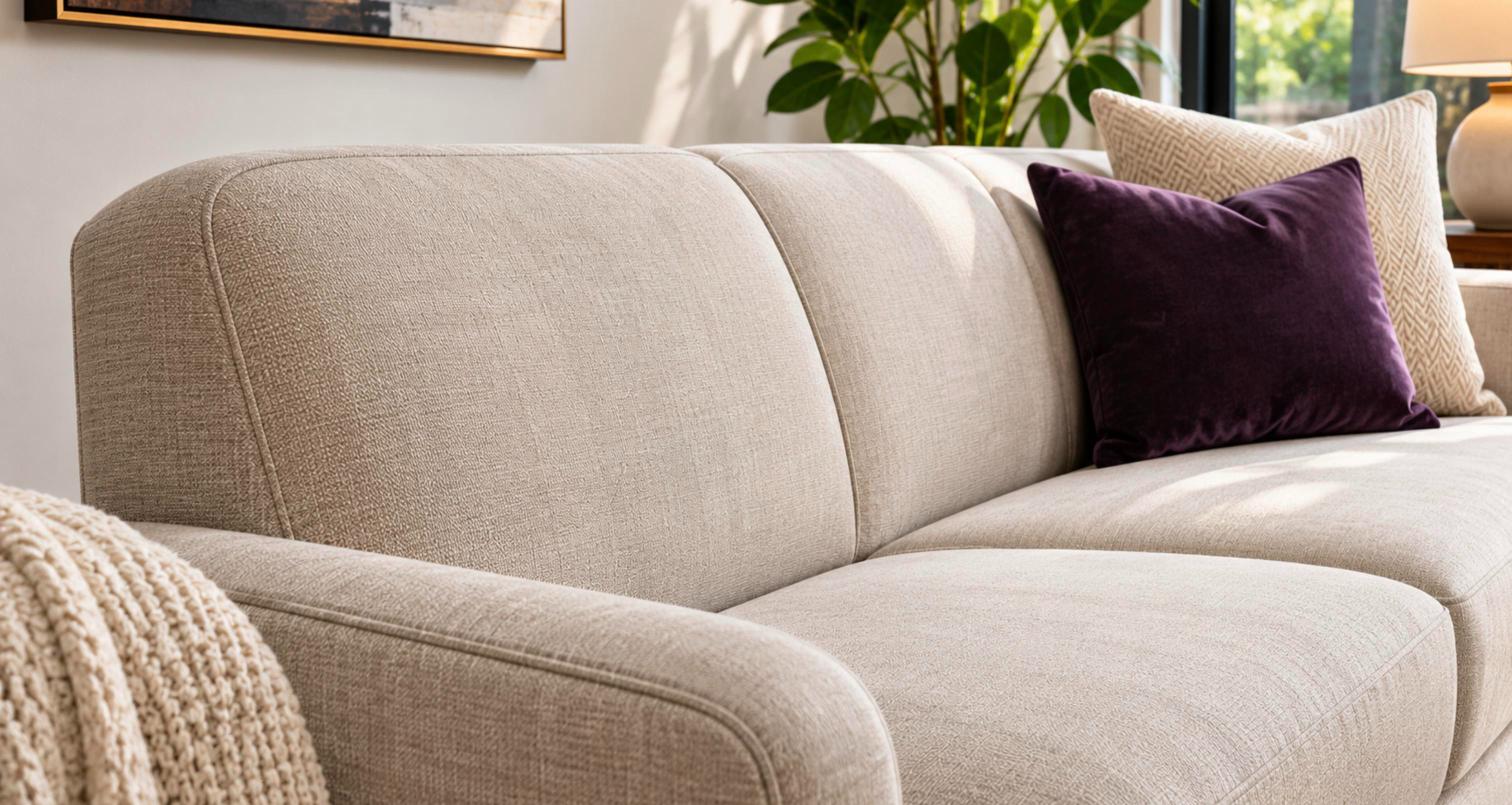
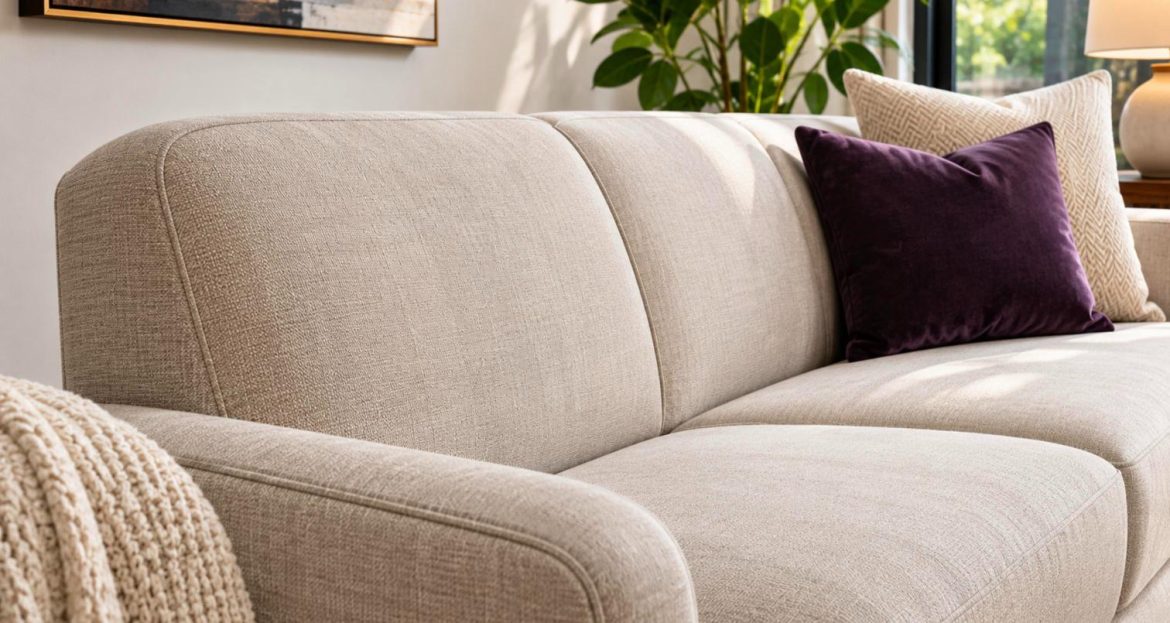
When you shop for a sofa, one of the first choices you face is how the back is built. Some sofas have loose cushions you can lift, flip and plump; others have cushions permanently attached; and some have a smooth “tight back” with no cushions at all. The choice affects how the sofa looks after a year of use, how much daily tidying it needs, how it cleans and how comfortable it feels. Attached back cushions are a popular middle ground, especially in busy homes and small living rooms.
The main sofa back styles
- Attached back: cushion-shaped sections sewn or upholstered to the frame. Neat and structured, with the look of cushions.
- Loose back (pillow back): separate cushions that sit against the frame. Relaxed and casual; can be removed, flipped and rearranged.
- Tight back: the back is one smooth, fitted upholstered surface with no cushions. Clean, tailored and classic.
- Semi-attached: cushions anchored at one edge with ties or a flap so they stay put but can be adjusted.
- Scatter back: many loose throw pillows instead of structured back cushions; soft and informal.
Advantages of attached back cushions
- Always tidy: cushions cannot slide, slump or fall off, so the sofa looks neat with no daily plumping.
- Child- and pet-friendly: no cushions to drag onto the floor.
- Consistent comfort: back support stays in the same position.
- Good for small spaces: fewer separate pieces keep a compact living room looking calm.
- Structured look: suits modern, mid-century and minimalist interiors.
Disadvantages
- No flipping or rotating: wear and sagging concentrate where people sit most.
- Harder to clean: covers usually are not removable, so spills need spot or professional cleaning.
- Harder to refresh: replacing the foam or fill usually needs an upholsterer.
- Less flexible comfort: you cannot adjust depth by removing a cushion.
What to check when buying
- Fill: ask what is inside, such as high-resiliency foam, foam wrapped in fibre, feather and down blends, or pocketed springs. Foam with a fibre wrap holds its shape best.
- Seat depth: attached backs fix the seat depth, so make sure it suits your height. About 53 to 58 cm suits most adults.
- Fabric: choose durable or performance fabrics, since covers usually cannot be removed for washing.
- Warranty: ask what is covered for cushion fill and seams.
- Comfort test: sit for several minutes and lean back fully to check lumbar support.
Care and maintenance
Vacuum the seams regularly with an upholstery attachment, spot-clean spills promptly using the fabric’s cleaning code, and rotate which seats you use most to spread wear. Keep the sofa out of strong direct sunlight to slow fading. If the back fill flattens after years of use, an upholsterer can usually re-fill or re-foam attached cushions, often for much less than a new sofa.
Which back style is right for you?
Choose attached backs if you want a low-maintenance, tidy sofa for a busy household or small condo. Choose loose backs if you love a relaxed, sink-in feel and do not mind plumping cushions. Choose a tight back for a tailored, formal look. Read our guide on choosing a sofa for a small Vancouver condo for more on size and comfort.
Related terms
Frequently asked questions
What does attached back cushion mean?
The back cushions are sewn or upholstered onto the sofa frame, so they cannot be removed or rearranged.
Are attached or loose back cushions better?
Attached backs stay tidier and suit busy homes; loose backs are softer, more adjustable and easier to flip and clean.
Can attached back cushions be replaced?
Not by the owner usually, but an upholsterer can re-fill or re-foam them.
What is the difference between an attached back and a tight back?
An attached back still looks like separate cushions; a tight back is one smooth upholstered surface without cushions.
Part of the Vancouver Furniture glossary of furniture, design and mattress terms. Browse furniture stores across Metro Vancouver or our mattress store guide.