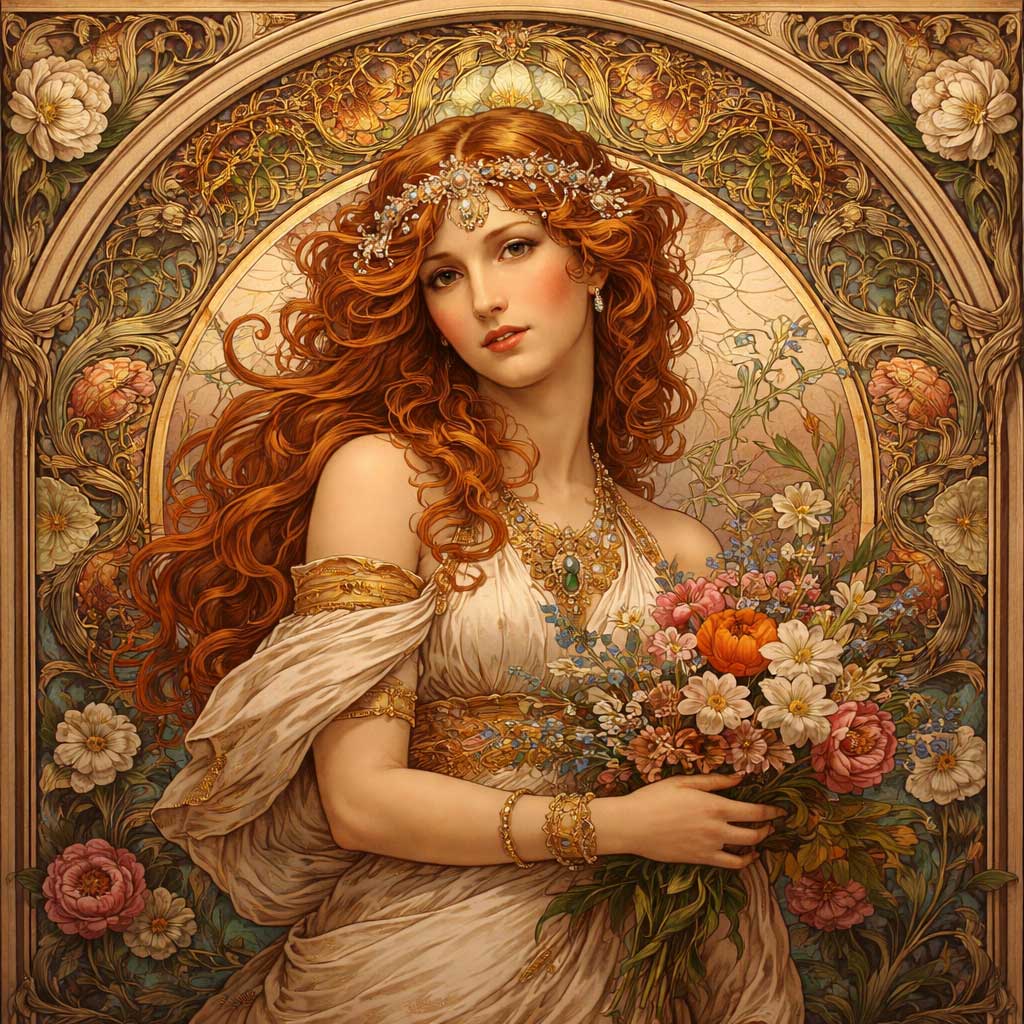
Art Nouveau is a decorative design style that emerged in the late 19th and early 20th centuries, characterized by flowing lines, organic forms, and inspiration from nature. The style is known for its emphasis on curved shapes, floral patterns, and intricate detailing, often incorporating motifs such as plants, vines, and natural elements.
In furniture and interior design, Art Nouveau is distinguished by its artistic craftsmanship and use of natural forms to create elegant, decorative pieces. The style reflects a departure from traditional historical design, focusing instead on fluidity, movement, and harmony with nature.
Definition
In design and furniture, Art Nouveau refers to a style characterized by organic shapes, curved lines, and decorative motifs inspired by nature.
Art Nouveau design typically includes:
- flowing, asymmetrical lines
- floral and plant-inspired patterns
- intricate decorative detailing
- handcrafted elements
- emphasis on artistic expression
It is recognized as both an artistic movement and a design style.
Etymology
The term “Art Nouveau” is French for “new art.” It was used to describe a modern design movement that sought to break away from traditional academic styles and embrace innovation and artistic creativity.
The name became widely associated with the style through exhibitions, galleries, and design movements across Europe in the late 1800s.
Design Characteristics
Art Nouveau is defined by its distinctive use of organic forms and decorative detail.
Organic and Flowing Lines
The style is known for its curved, flowing lines often described as “whiplash” curves, which create a sense of movement and continuity.
Nature-Inspired Motifs
Art Nouveau designs frequently incorporate:
- flowers and leaves
- vines and stems
- insects and animals
- natural forms and patterns
These elements are often stylized rather than realistic.
Decorative Craftsmanship
Furniture and interiors often feature detailed craftsmanship, including:
- carved wood
- inlays and marquetry
- stained glass
- metalwork
Asymmetry
Unlike many traditional styles, Art Nouveau often embraces asymmetrical compositions, creating a more dynamic and artistic appearance.
Art Nouveau Furniture
Furniture in the Art Nouveau style is designed to reflect both functionality and artistic expression.
Common features include:
- curved wooden frames
- integrated decorative elements
- smooth transitions between structural parts
- emphasis on craftsmanship and detail
Typical pieces include chairs, cabinets, tables, and bed frames with flowing, nature-inspired designs.
Historical Context
Art Nouveau developed as a response to industrialization and the mass production of goods, emphasizing handcrafted quality and artistic individuality. It became popular across Europe and influenced architecture, graphic design, and decorative arts.
The style played a significant role in shaping early modern design before giving way to more geometric and streamlined styles such as Art Deco.
Art Nouveau in Interior Design
In interior design, Art Nouveau is used to create spaces that feel artistic, elegant, and connected to nature. It is often applied through:
- decorative furniture
- ornamental details
- natural motifs and patterns
- curved architectural elements
The style is commonly associated with refined, artistic interiors that emphasize craftsmanship and visual harmony.
Relationship to Art Deco
Art Nouveau and Art Deco are often compared but differ significantly in style and approach.
- Art Nouveau emphasizes organic forms, curves, and nature-inspired design
- Art Deco emphasizes geometric shapes, symmetry, and modern luxury
Art Nouveau preceded Art Deco and influenced the development of modern design.
Related Terms
Several design styles and concepts are related to Art Nouveau:
- Art Deco
- Decorative Arts
- Organic Design
- Jugendstil
- Modernism
See Also: Furniture Glossary
Art Deco
Scandinavian Design
Mid-Century Modern
Decorative Design
Interior Design Styles