Hybrid Mattress: What It Is, Layers, Pros & Cons and How to Choose
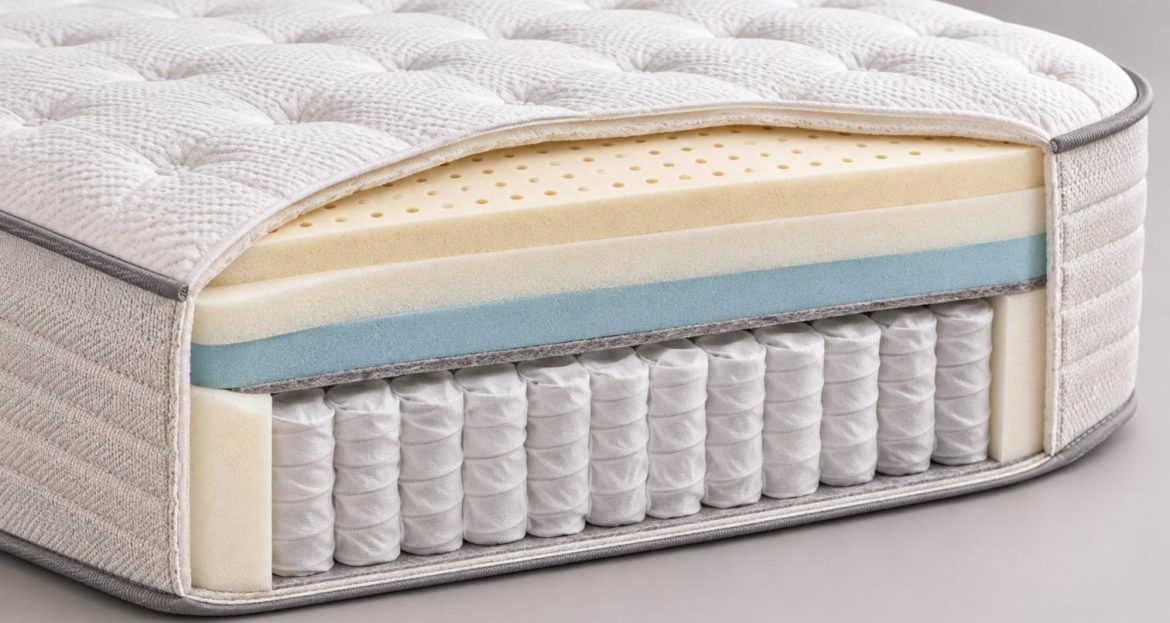
Hybrids emerged as mattress makers sought to combine the best features of the two dominant mattress types: the bounce, airflow and edge support of springs, and the pressure relief and motion isolation of foam. Today hybrids are one of the most popular mattress categories in Canada, available in a wide range of feels and prices, from boxed online brands to premium in-store models. Understanding the layers helps you compare them and choose the right one.
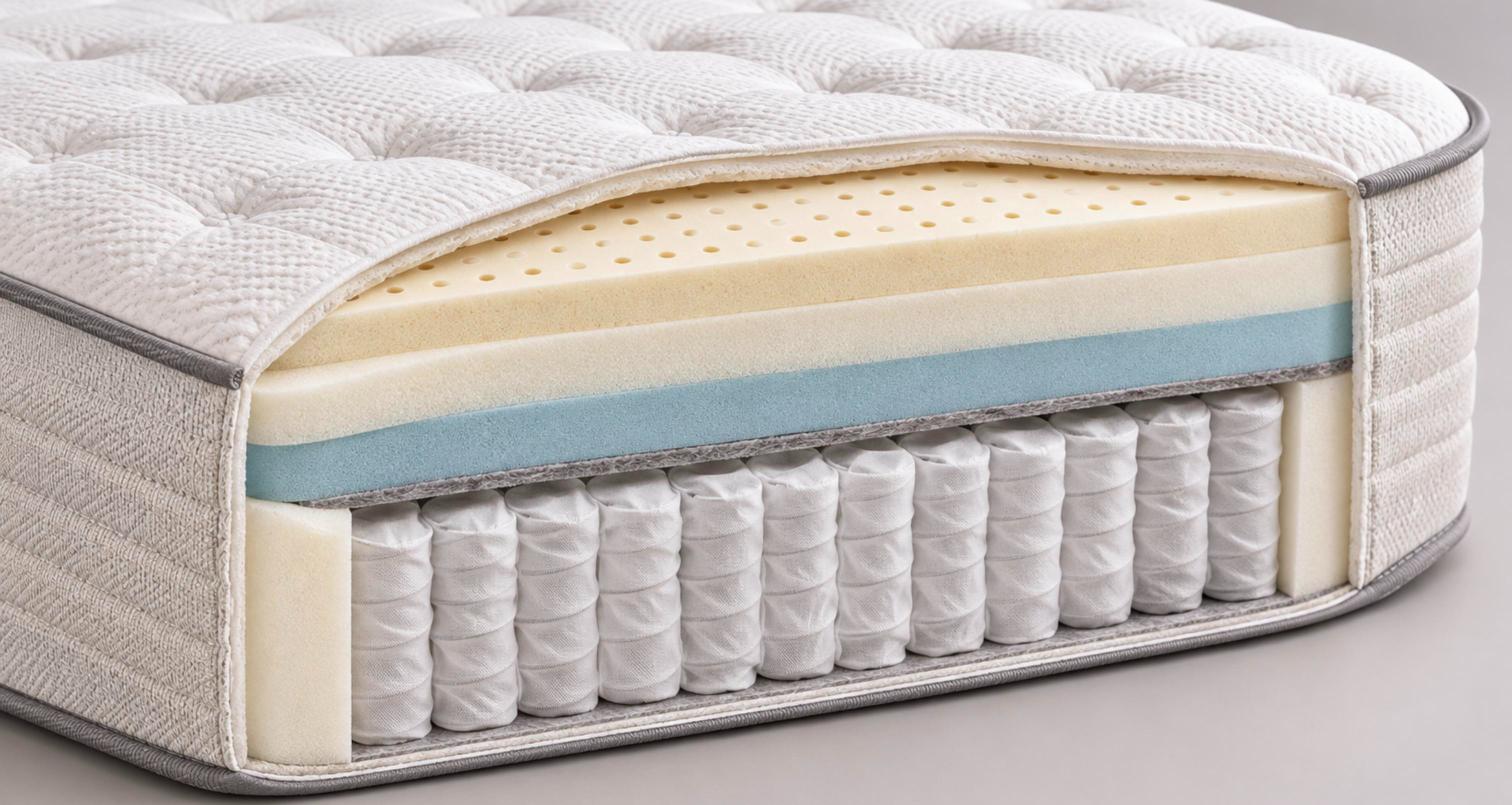
How a hybrid is built
- Base layer: a thin layer of dense foam supports the coils.
- Coil core: pocketed coils, often 6 to 8 inches tall, sometimes zoned for firmer support under the hips.
- Transition layer: foam that prevents you feeling the coils.
- Comfort layers: memory foam, latex or micro-coils for pressure relief.
- Cover: often quilted, sometimes with cooling fabrics.
Many hybrids also have reinforced foam or firmer coils around the perimeter for edge support.
Hybrid vs. memory foam vs. innerspring
- Memory foam: deep contouring and motion isolation; can sleep warm; less bounce.
- Traditional innerspring: bouncy, cool, affordable; thinner comfort layers mean less pressure relief.
- Hybrid: balances contouring with bounce, airflow and edge support; usually heavier and more expensive than all-foam.
Pros
- Responsive, easy to move on.
- Sleeps cooler than most all-foam mattresses thanks to coil airflow.
- Strong edge support.
- Good for combination sleepers and couples.
- Wide range of firmness options.
Cons
- Heavier and harder to move.
- Usually costs more than all-foam.
- Some motion transfer compared with memory foam.
- Quality varies; low-coil-count or thin-gauge coils wear faster.
Choosing a hybrid
- Pick firmness for your sleep position: side sleepers usually medium to medium-soft; back and stomach sleepers medium-firm.
- Check coil count and gauge in the specs; zoned coils can improve spinal alignment.
- Decide on comfort material: memory foam for hug, latex for bounce.
- Test in-store or use a trial period.
- Use a supportive base: a platform bed, slatted frame or compatible foundation.
Related terms
Frequently asked questions
What is a hybrid mattress?
A mattress with a coil support core and substantial foam or latex comfort layers.
Is a hybrid better than memory foam?
It depends on preference: hybrids are bouncier and cooler; memory foam isolates motion and contours more.
Do hybrid mattresses need a box spring?
Not usually; a platform bed, slatted frame or compatible foundation works.
How long do hybrid mattresses last?
Typically around 7 to 10 years.
Part of the Vancouver Furniture glossary of furniture, design and mattress terms. Browse furniture stores across Metro Vancouver or our mattress store guide.