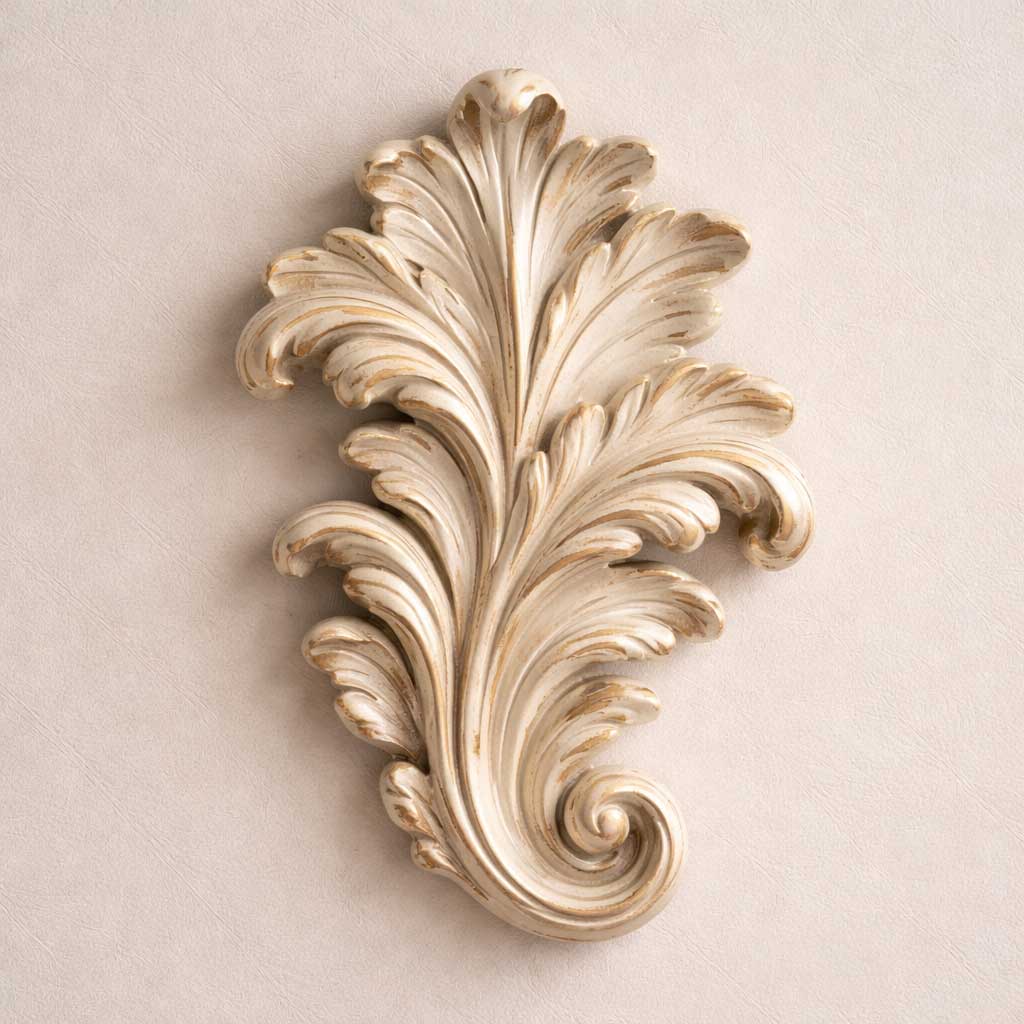
The acanthus leaf is a decorative design motif derived from the leaves of the acanthus plant, widely used in classical architecture, furniture, and interior ornamentation. It is recognized for its stylized, flowing form and is often associated with traditional, classical, and neoclassical design styles. In furniture, the acanthus leaf motif is commonly carved into wood or molded into decorative elements to add elegance and historical character.
The use of the acanthus leaf dates back to ancient Greek and Roman design, where it became a defining feature of Corinthian columns and ornamental art. Over time, the motif has been adapted into furniture design, particularly in traditional and luxury pieces.
Definition
In furniture and decorative arts, an acanthus leaf refers to an ornamental motif inspired by the natural form of the acanthus plant leaf, typically stylized for decorative use.
It is commonly used as:
- carved detailing on wood furniture
- decorative elements on legs, arms, or frames
- ornamental patterns in classical design
The motif is primarily decorative and does not serve a structural function.
Etymology
The term “acanthus” originates from the Greek word akanthos, meaning a type of plant with spiny leaves. The acanthus plant was native to the Mediterranean region and became a popular decorative symbol in ancient art and architecture.
The acanthus leaf motif gained prominence in classical Greek and Roman design and has continued to be used in decorative arts throughout history.
Design Characteristics
The acanthus leaf motif is known for its distinctive shape and ornamental qualities.
Stylized Form
The leaf is typically represented in a stylized rather than realistic form, featuring:
- curved, flowing lines
- layered leaf segments
- symmetrical or repeating patterns
Ornamental Detailing
Acanthus leaf designs are often highly detailed and used to create a sense of craftsmanship and elegance.
They are commonly found in:
- carved wood surfaces
- decorative moldings
- furniture embellishments
Classical Influence
The motif is strongly associated with classical design traditions, especially:
- Greek and Roman architecture
- neoclassical furniture
- traditional European décor
Use in Furniture Design
In furniture, the acanthus leaf motif is used to enhance visual appeal and convey a sense of tradition and sophistication.
It is commonly applied to:
- chair arms and legs
- table bases and edges
- cabinet doors and panels
- bed frames and headboards
The motif is often hand-carved or molded into materials to create decorative detailing.
Materials and Techniques
Acanthus leaf designs are created using various materials and craftsmanship techniques.
Common methods include:
- wood carving
- cast resin or plaster molding
- metal casting
- embossed or engraved detailing
These techniques allow the motif to be incorporated into both traditional and modern reproductions.
Acanthus Leaf in Interior Design
The acanthus leaf motif is widely used in traditional interior design to add decorative richness and historical character. It is often associated with:
- classic European interiors
- formal living spaces
- luxury furniture design
- ornamental architectural details
While less common in minimalist or modern styles, it remains a recognizable symbol of classical elegance.
Related Terms
Several decorative and architectural elements are related to the acanthus leaf motif:
- Corinthian column
- ornamental carving
- classical design
- neoclassical furniture
- decorative molding
See Also: Furniture Glossary
Classical Design
Carved Wood Furniture
Ornamental Molding
Neoclassical Furniture
Decorative Motif