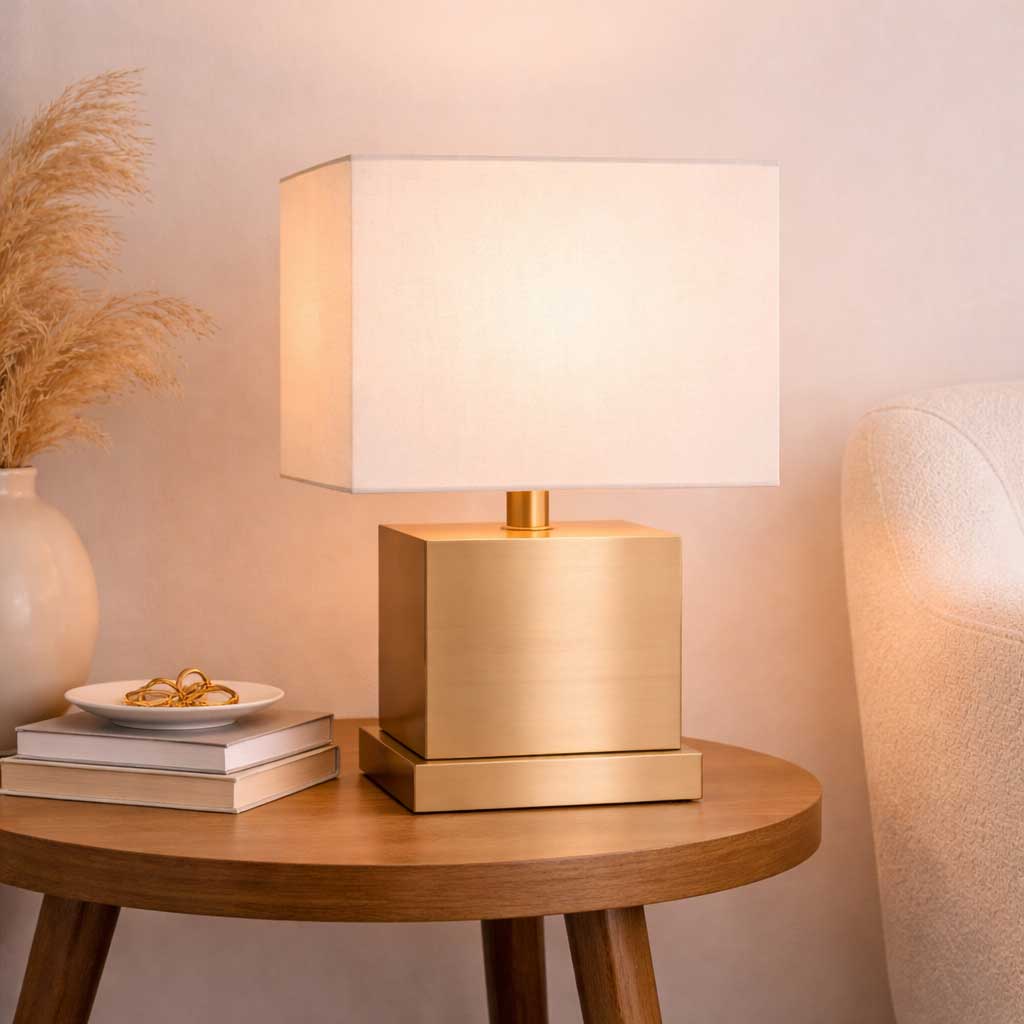
Accent Lighting
Accent lighting is a type of interior lighting used to highlight specific objects, architectural features, or areas within a space. Unlike general lighting, which provides overall illumination, accent lighting is designed to create visual interest, depth, and atmosphere by drawing attention to focal points such as artwork, furniture, textures, or decorative elements.
Accent lighting is commonly used in residential and commercial interiors to enhance design aesthetics and create layered lighting schemes. It plays an important role in modern interior design by adding contrast, dimension, and mood to a room.
Definition
In interior design, accent lighting refers to focused lighting used to emphasize particular features within a space rather than illuminate the entire area.
Accent lighting is typically:
- directional and targeted
- used to highlight objects or surfaces
- designed to create visual contrast
- part of a layered lighting system
It is often combined with ambient and task lighting to achieve a balanced lighting design.
Etymology
The term “accent lighting” combines accent, meaning a feature that highlights or emphasizes something, and lighting, referring to artificial illumination within a space.
The term reflects the purpose of this lighting type: to enhance specific elements and create focal points within an interior environment.
Types of Accent Lighting
Accent lighting can be achieved using various lighting fixtures and techniques depending on the design intention.
Spotlights
Spotlights provide focused beams of light that highlight specific objects such as artwork, sculptures, or furniture.
Track Lighting
Track lighting systems include adjustable light fixtures mounted on a track, allowing flexibility in directing light toward different focal points.
Wall-Mounted Lighting
Wall sconces and mounted fixtures are often used to highlight textures, architectural details, or decorative walls.
LED Strip Lighting
LED strips are used to create subtle accent effects under cabinets, behind furniture, or along architectural lines.
Picture Lights
Picture lights are designed specifically to illuminate artwork, photographs, or wall décor.
Design Characteristics
Accent lighting is defined by several key characteristics that differentiate it from other types of lighting.
Focused Illumination
Accent lighting directs light toward a specific object or area rather than spreading it evenly across a room.
Higher Contrast
Accent lighting typically uses brighter light on focal points compared to surrounding areas to create contrast and depth.
Layered Lighting Role
Accent lighting is one of the three main layers of lighting, alongside:
- ambient lighting (general illumination)
- task lighting (functional lighting)
Together, these layers create a balanced lighting environment.
Decorative and Functional
While primarily decorative, accent lighting also enhances visibility of important design features within a space.
Common Uses
Accent lighting is used in a variety of interior settings to enhance both aesthetics and functionality.
Typical applications include:
- highlighting artwork or wall décor
- emphasizing architectural features
- illuminating shelves or display units
- enhancing textures such as brick or wood
- creating mood and atmosphere in living spaces
Accent Lighting in Interior Design
Accent lighting plays a significant role in interior design by helping define focal points and enhance spatial perception. It is often used to:
- create visual hierarchy within a room
- add depth and dimension
- enhance furniture and décor
- support the overall design concept
In modern interiors, accent lighting is commonly integrated into minimalist, contemporary, and Scandinavian design styles to create subtle yet impactful visual effects.
Related Terms
Accent lighting is closely related to other lighting types and interior design concepts.
These include:
- ambient lighting
- task lighting
- decorative lighting
- layered lighting
- recessed lighting
See Also: Furniture Glossary
Ambient Lighting
Task Lighting
Interior Lighting
Scandinavian Design
Minimalist Interior Design